


What is E-Waste Recycling and Why is it Important?
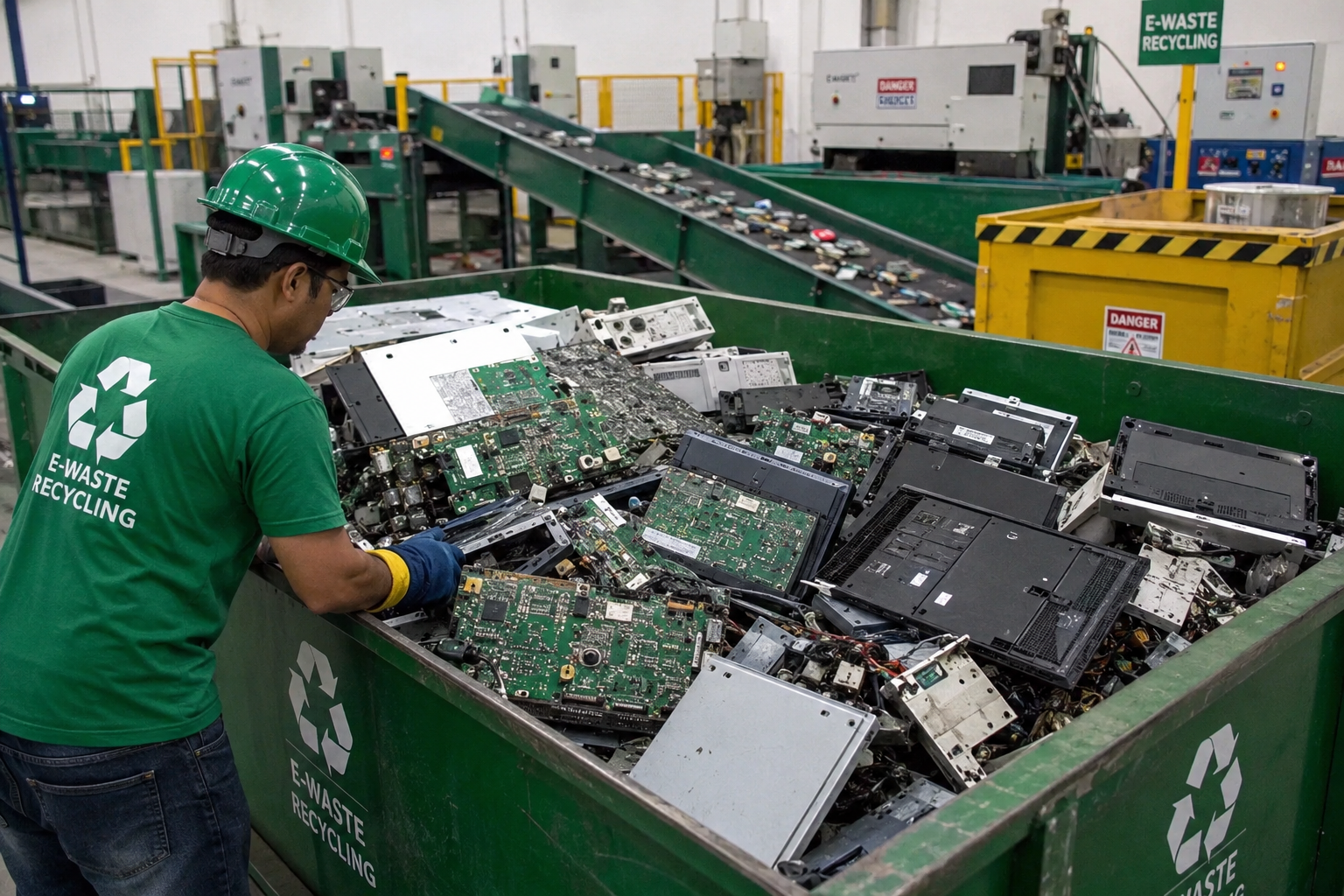
In today’s digital world, electronic devices have become an essential part of everyday life. From smartphones and laptops to televisions and home appliances, people rely heavily on technology for communication, entertainment, education, and business. However, as technology advances rapidly, old electronic devices are replaced more frequently, leading to a massive increase in electronic waste, commonly known as e-waste. E-waste recycling has become one of the most important environmental solutions to manage this growing problem.
What is E-Waste?
E-waste refers to discarded electronic devices and electrical equipment that are no longer in use. This includes computers, mobile phones, printers, televisions, batteries, air conditioners, refrigerators, and many other electronic products. Many of these items contain valuable materials such as gold, silver, copper, and aluminum, but they also include hazardous substances like lead, mercury, and cadmium.
When electronic waste is not disposed of properly, these toxic materials can leak into the environment and cause serious damage to soil, water, air, and human health.
What is E-Waste Recycling?
E-waste recycling is the process of collecting, dismantling, processing, and reusing old electronic devices in an environmentally responsible way. The goal is to recover useful materials while safely disposing of harmful substances.
The recycling process usually involves several steps:
- Collection of discarded electronic items
- Sorting and separating reusable components
- Dismantling devices manually or mechanically
- Recovering metals, plastics, and other materials
- Safe disposal of hazardous waste
This process helps reduce pollution, conserve natural resources, and minimize the amount of waste sent to landfills.
Why is E-Waste Recycling Important?
1. Protects the Environment
One of the biggest reasons why e-waste recycling is important is environmental protection. Electronic waste contains toxic chemicals that can pollute the environment if dumped in landfills. Hazardous materials such as lead and mercury can contaminate water supplies and damage ecosystems.
Proper recycling prevents these harmful substances from entering the environment and reduces overall pollution levels.
2. Conserves Natural Resources
Electronic devices contain valuable metals and materials that can be reused. Mining new raw materials requires large amounts of energy and causes environmental destruction. Recycling e-waste helps recover metals like gold, silver, copper, and aluminum, reducing the need for mining and conserving natural resources.
This also helps support a circular economy where materials are reused instead of wasted.
3. Reduces Landfill Waste
Landfills around the world are already overloaded with waste. Electronic waste takes up significant space and can remain in landfills for many years without decomposing properly. Recycling reduces the amount of electronic waste ending up in dumping sites and helps manage waste more efficiently.
4. Saves Energy
Manufacturing products from recycled materials requires less energy compared to producing them from raw materials. Recycling metals from old electronics saves energy and reduces greenhouse gas emissions. This contributes to fighting climate change and promoting sustainable development.
5. Protects Human Health
Improper disposal of electronic waste can expose people to dangerous chemicals. Workers handling e-waste without proper safety measures may suffer from respiratory issues, skin diseases, and other serious health problems.
By using professional recycling methods, hazardous materials are handled safely, protecting both workers and communities.
Common Types of E-Waste
Many people are unaware of which items are considered e-waste. Some common examples include:
- Smartphones
- Computers and laptops
- Televisions
- Printers and scanners
- Batteries
- Keyboards and mouse devices
- Refrigerators and air conditioners
- Washing machines
- Chargers and cables
- LED lights and bulbs
Even small electronic accessories can contribute to the growing e-waste problem.
Challenges in E-Waste Recycling
Although e-waste recycling is highly beneficial, there are still several challenges in the industry.
Lack of Awareness
Many people do not know how or where to recycle old electronics. As a result, devices are often thrown into regular garbage bins.
Illegal Dumping
Some companies and individuals illegally dump electronic waste in developing countries where environmental regulations may be weaker.
High Recycling Costs
Advanced recycling technology and safe handling processes can be expensive, making recycling difficult for smaller organizations.
Data Security Concerns
Old devices may still contain personal or business data. People are sometimes afraid to recycle electronics due to concerns about data theft.
How Individuals Can Help
Everyone can contribute to reducing electronic waste and supporting recycling efforts.
Donate Working Electronics
If a device still works, consider donating it to schools, charities, or people in need instead of throwing it away.
Use Certified Recycling Centers
Always choose authorized e-waste recycling companies that follow environmental safety standards.
Buy Sustainable Products
Purchase durable and energy-efficient electronic products that last longer and create less waste.
Repair Instead of Replace
In many cases, repairing a device is more environmentally friendly than buying a new one.
Delete Personal Data
Before recycling any device, erase all personal and confidential information to ensure data security.
The Future of E-Waste Recycling
As technology continues to grow, the amount of electronic waste will also increase. Governments, businesses, and individuals must work together to create better recycling systems and spread awareness about responsible disposal.
Modern recycling technologies are improving the recovery of valuable materials and making recycling more efficient. Many companies are also adopting eco-friendly manufacturing practices to reduce waste generation.
The future of sustainable technology depends heavily on effective e-waste management and recycling practices.
Conclusion
E-waste recycling is essential for protecting the environment, conserving natural resources, reducing pollution, and promoting a sustainable future. With millions of electronic devices discarded every year, responsible recycling has become more important than ever.
By understanding the importance of e-waste recycling and adopting eco-friendly habits, individuals and businesses can help reduce environmental damage and support a cleaner, healthier planet for future generations.